

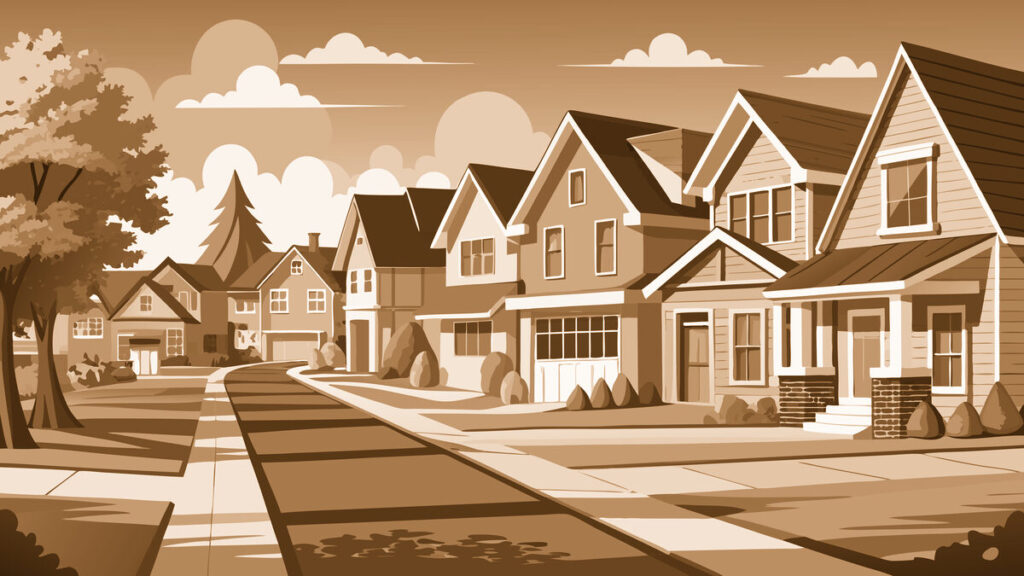
Nestled just a short drive from the heart of Fayetteville, North Carolina, the Tallywood neighborhood has quietly told its story across generations. With its tree-lined streets, iconic homes, and unique blend of old and new, Tallywood stands as a living testament to the city’s ever-evolving heritage. Here’s a look into the origins, landmarks, and ongoing legacy of Tallywood—a community many are proud to call home.
The Origins of Tallywood: Where It All Began
No exploration of Tallywood’s history is complete without first understanding its roots. The land now known as Tallywood initially belonged to expansive farmlands on the outskirts of early Fayetteville—an area shaped by agriculture and intersecting trade routes in the late 1800s. While official city planners only designated the “Tallywood” neighborhood in the mid-20th century, the seeds of its community were planted decades before.
The name “Tallywood” itself is believed to be a tribute to the Tally family, an early and influential local lineage known for their civic and commercial endeavors in Cumberland County. Family records and oral histories suggest that the Tallys managed farmland along what is now Raeford Road and were heavily involved with local churches and schools. The “wood” in Tallywood nods to the once-forested landscape that stretched beyond the city’s original boundaries.
Key Historical Milestones in Tallywood’s Story
As Fayetteville thrived after World War II, the need for thoughtfully planned residential communities grew. The Tallywood development began in earnest in the 1950s, marked by the construction of well-crafted brick ranch houses along streets like Tallywood Drive, Pecan Drive, and Winterlochen Road.
Some notable milestones include:
- 1956: The first phase of Tallywood homes is completed along Raeford Road, instantly attracting teachers, military families from Fort Bragg, and young professionals.
- 1964: Tallywood Shopping Center opens, bringing much-needed retail and dining to the west side of Fayetteville. Its modern façade was considered cutting-edge at the time and quickly became a neighborhood gathering spot.
- 1970s: The arrival of Tallywood Park offers green space for children’s games, picnics, and community events, reinforcing the area’s family-friendly reputation.
- 1983: Major roadway improvements along Raeford Road connect Tallywood to downtown Fayetteville and outlying suburbs, increasing accessibility and property values.
Notable Landmarks and Points of Pride
Though residential in nature, Tallywood features several landmarks that have become points of pride for locals:
- Tallywood Shopping Center: Located at 3105 Raeford Road, this mid-century plaza remains a practical hub—with beloved bakeries, coffee shops, and a handful of specialty stores frequented by residents.
- St. James Lutheran Church: Situated just a stone’s throw from the Tallywood border on Purdue Drive, this church has been central to community events and spiritual life since the 1960s.
- Historic Homes: Many houses in Tallywood boast original hardwood floors, vintage brickwork, and the mid-century character that has become fashionable again. Walking along Winterlochen Drive on a sunny afternoon, you’ll see children playing, neighbors chatting, and a canopy of mature oak trees shading tidy lawns.
- Tallywood Park: Tucked within the neighborhood, this park serves as a retreat for joggers, dog walkers, and anyone seeking a quiet moment outdoors. Its playground and open fields have witnessed decades of local soccer matches and family reunions.
The Fabric of Community: Schools and Institutions
Tallywood’s proximity to some of Fayetteville’s established educational institutions further cemented its popularity. Families are drawn to the neighborhood for its location near Ashley Elementary School and Douglas Byrd High School—both respected for their academic programs and community engagement. In addition, the area’s closeness to Cape Fear Valley Medical Center has made it ideal for healthcare professionals.
How Tallywood Has Evolved
While the cityscape around Tallywood has changed dramatically—new roads, bustling shopping corridors, and rapid suburban expansion—the neighborhood retains its sense of tranquility and togetherness. Recent decades have seen homes updated with modern amenities, but most residents strive to preserve the architectural integrity that defines the area.
Longstanding traditions continue, such as the annual block parties every spring and holiday decorating contests in December. Residents often describe Tallywood as “a small town within a city,” where faces are familiar and neighbors look out for each other.
Local advocacy groups, such as the Tallywood Community Association, play a significant role in maintaining landscaping, advocating for responsible development, and ensuring the neighborhood remains a safe and welcoming place for all ages.
Why Tallywood Remains Special
Ask anyone who’s lived in Tallywood for a few years—or a few decades—and you’ll hear stories about friendships forged over backyard fences, summer picnics at the park, or strolls to the corner bakery on Raeford Road. There’s an enduring warmth to the neighborhood; it’s a place where heritage is honored, and progress is greeted with open arms.
Tallywood’s blend of historical significance, architectural charm, and civic pride ensures that its best days are always ahead. Whether you have roots in the community or are discovering it for the first time, Tallywood is a living, breathing chapter of Fayetteville’s rich story—one well worth exploring.